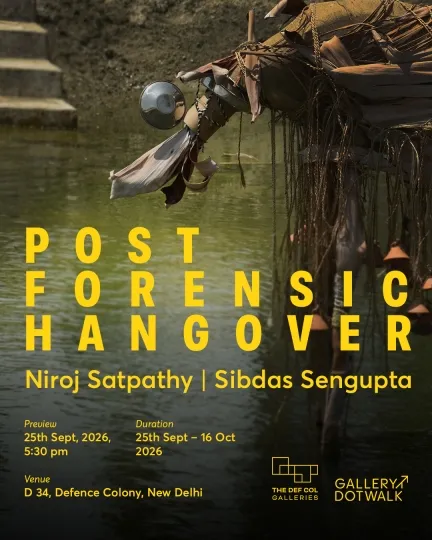
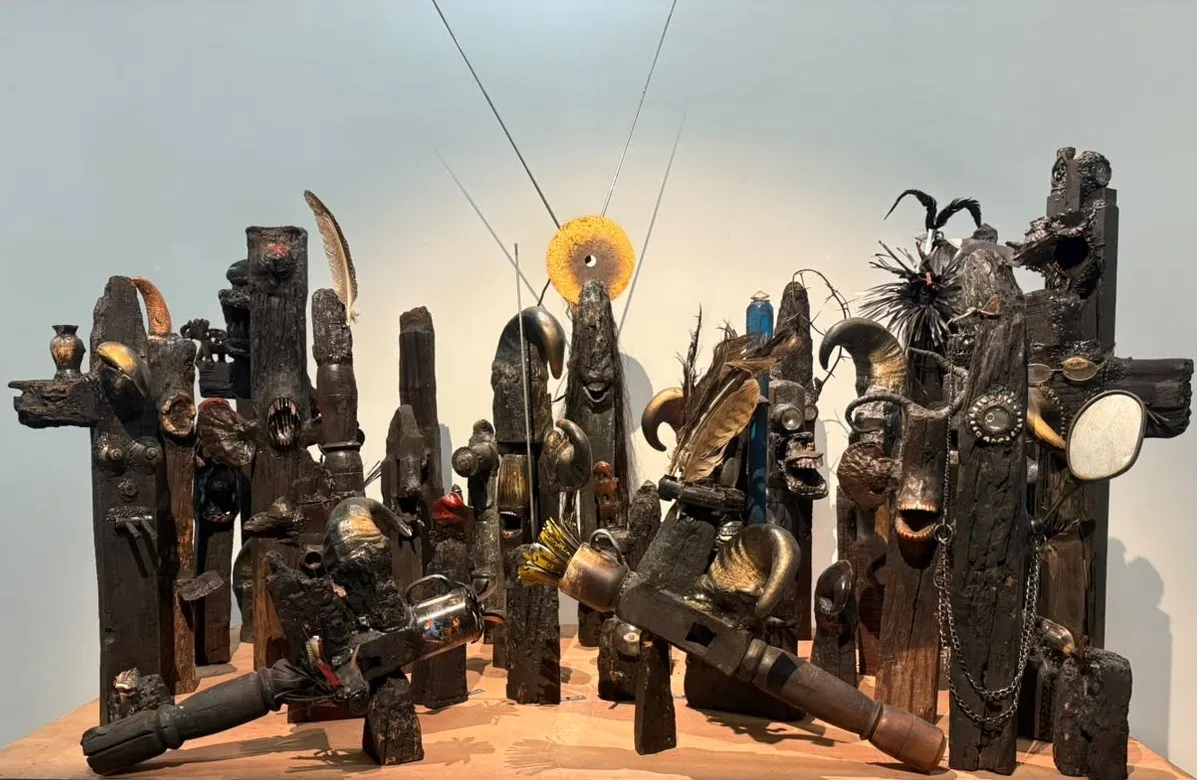
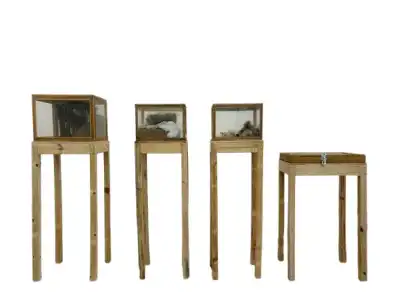
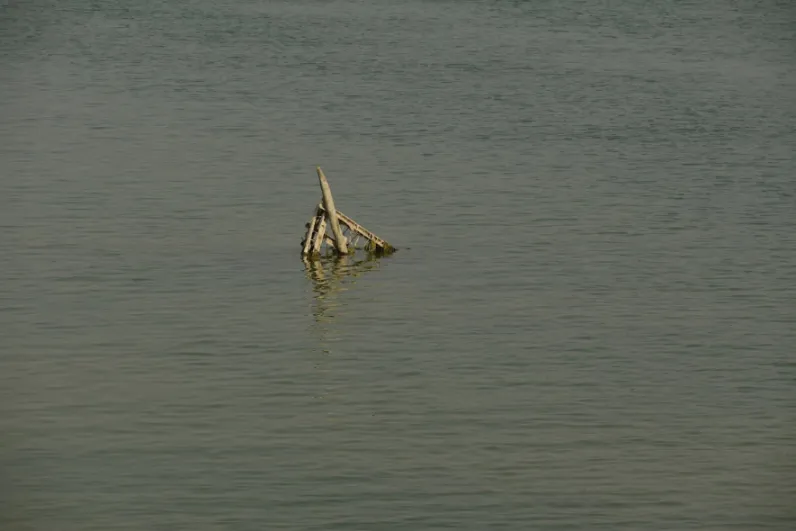
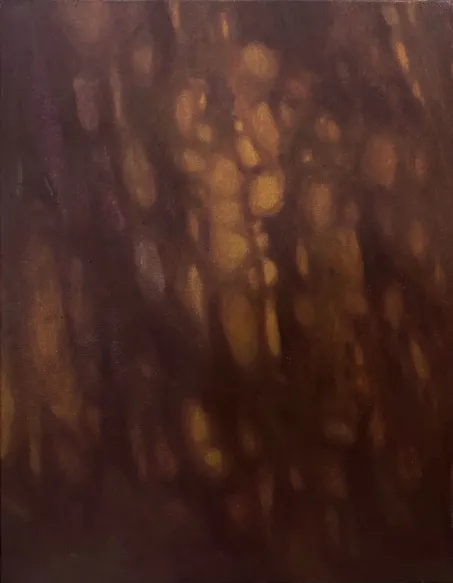
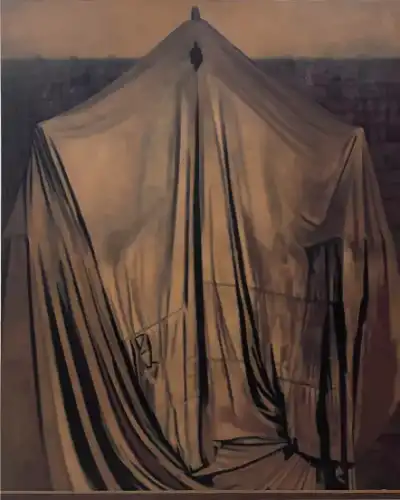
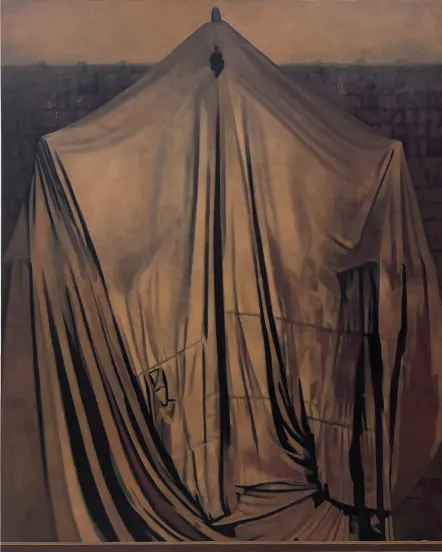
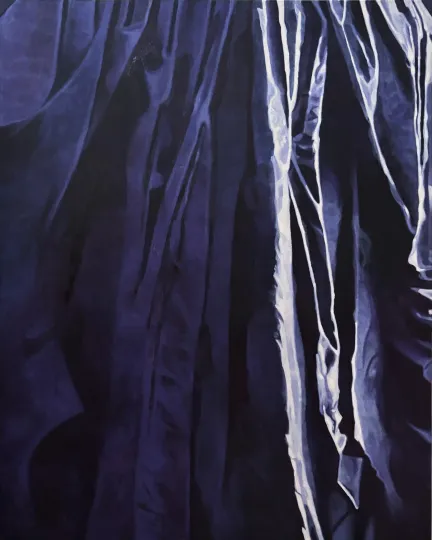
At the intersection of evidence and speculation lies a space where materials begin to speak beyond their intended histories. Research, for both Niroj Satpathy and Sibdas Sengupta, is an act of perpetual return, treating materials as testimonies, traces, and fragmented archives of events and their aftermaths. Grounded by the unstable hierarchies of the present, their practice navigates the absurdities, antagonisms, and more precisely, ironies that define our shared historical and political landscape today.
At the intersection of evidence and speculation lies a space where materials begin to speak beyond their intended histories. Research, for both Niroj Satpathy and Sibdas Sengupta, is an act of perpetual return, treating materials as testimonies, traces, and fragmented archives of events and their aftermaths. Grounded by the unstable hierarchies of the present, their practice navigates the absurdities, antagonisms, and more precisely, ironies that define our shared historical and political landscape today.
While the concerns of both artists stem from similar directions, it is fascinating to observe how their artistic approaches diverge. One’s practice centers on a quest to engage with chaos, whereas the other’s is situated within the limits of order and structure. By bringing together two emerging artists from Odisha, this exhibition attempts to conceive a research-driven, experimental exercise, a two-person show that avoids being treated merely as two distinct solo exhibitions or a presentation of separate bodies of work, but rather as a genuine collaboration. In doing so, Post-Forensic Hangover is imagined as a site that operates across multiple layers. On one level, it functions as a ground through which to witness one artist's practice through the perspective of the other. It also aims to build an experience and meaning that extends beyond a single isolated body of research while demanding, in some ways, an abandonment of initial questions to understand what the works become in the process of their making. Post-Forensic Hangover is curated as a site of a dependent paradigm, interpolating the space between the artists' respective contexts and choices, allowing the works to exist with a new sense of recognition.
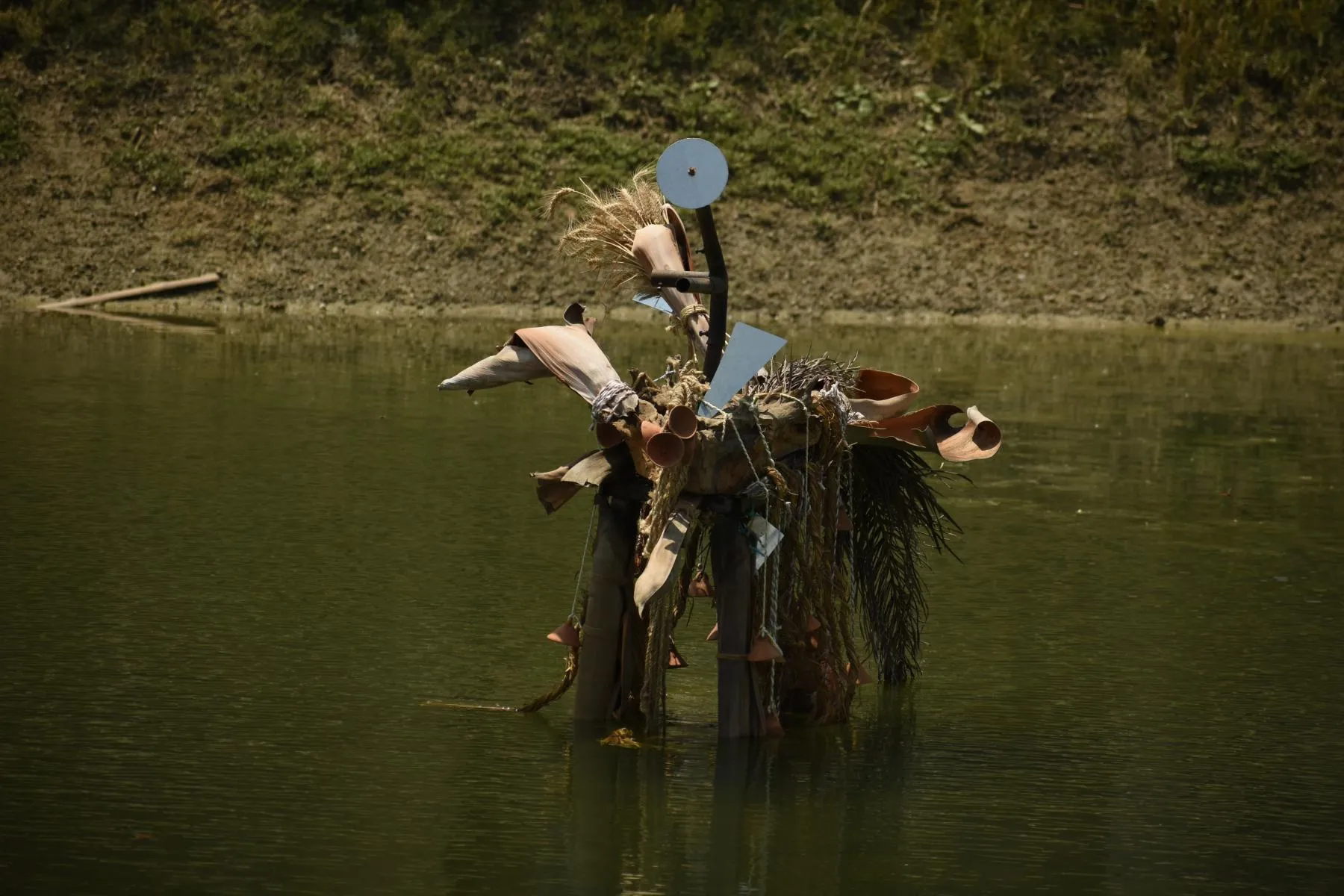
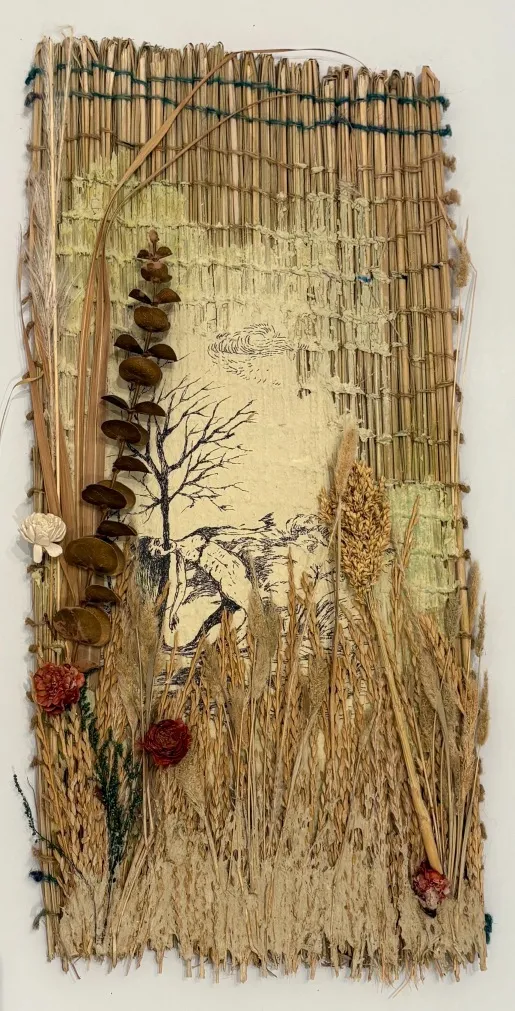
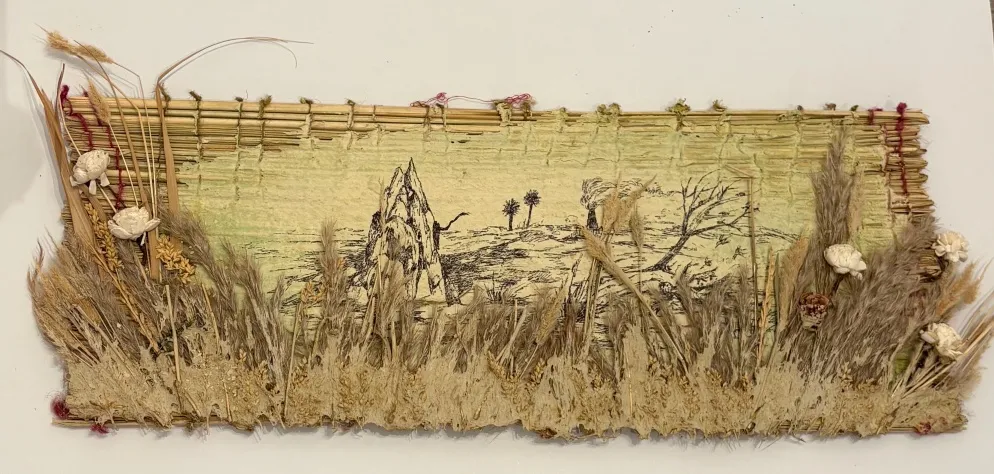
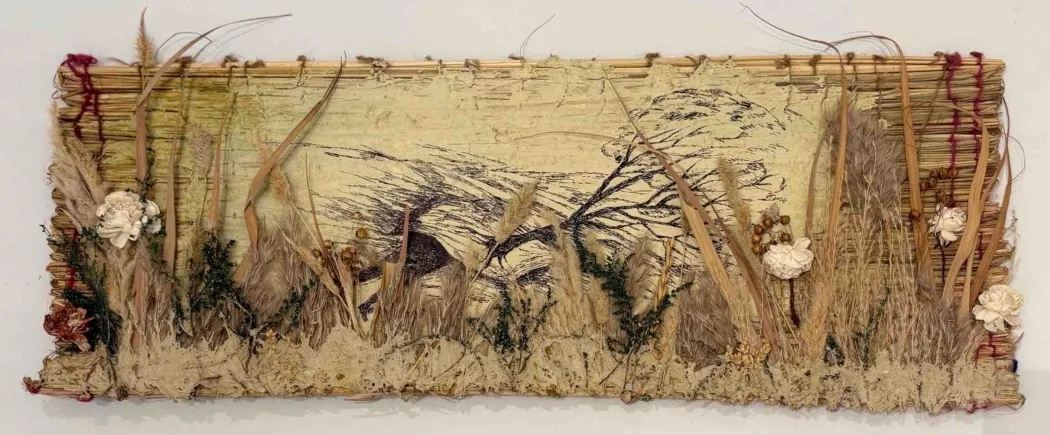
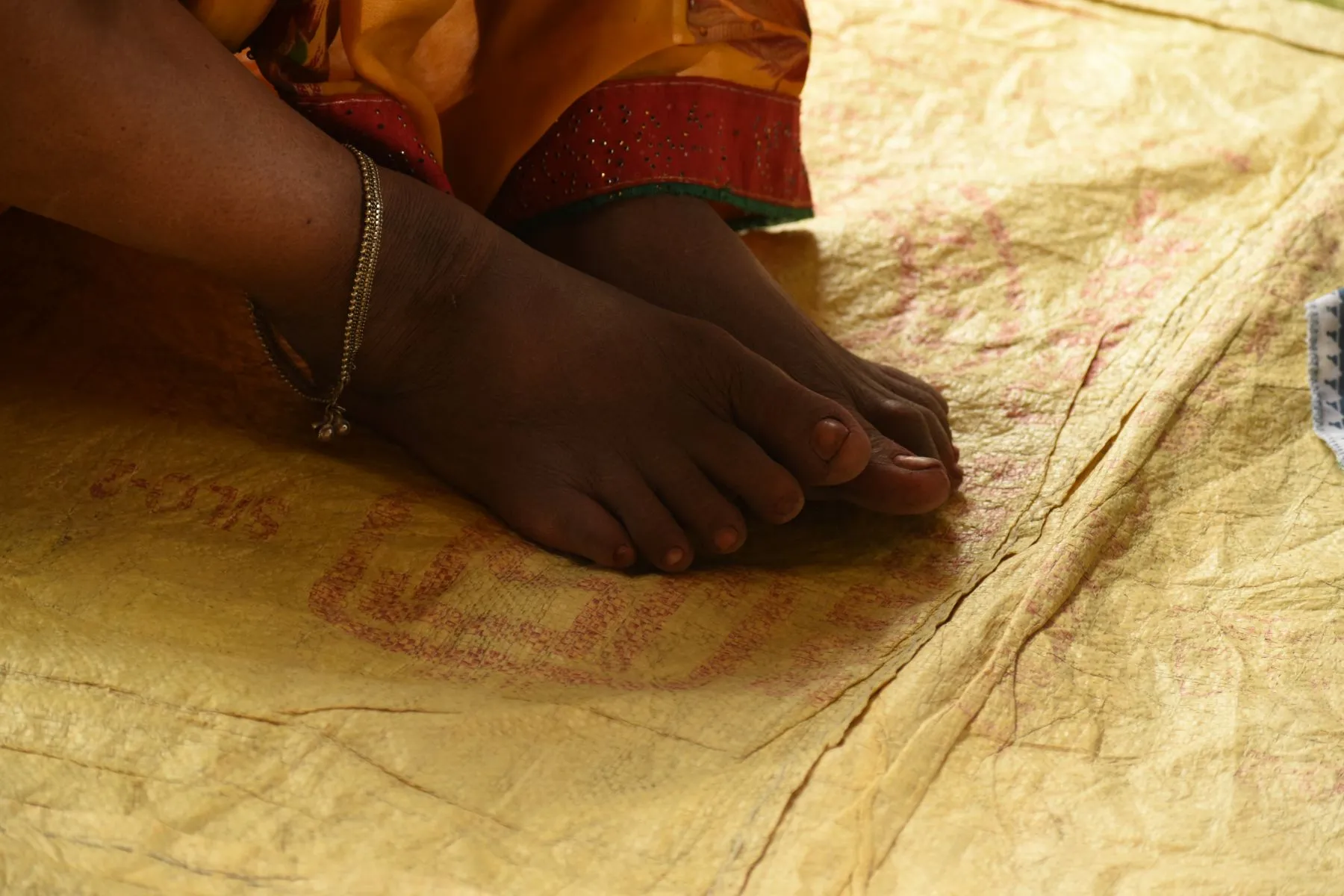
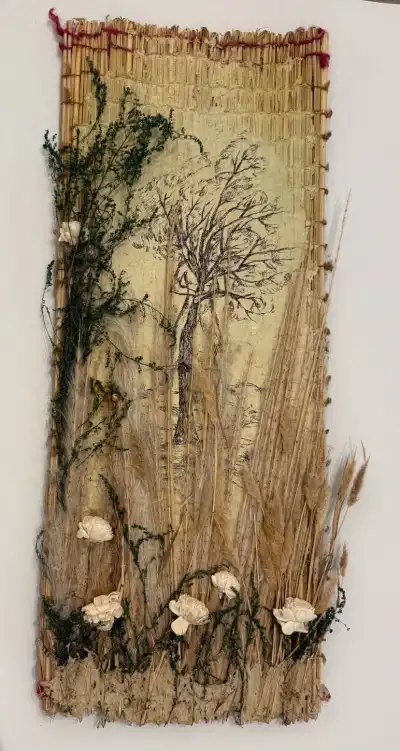
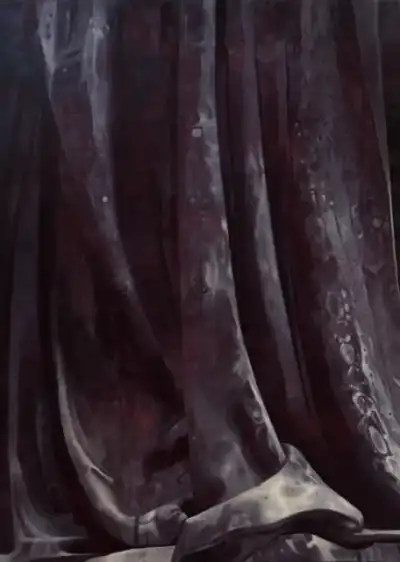
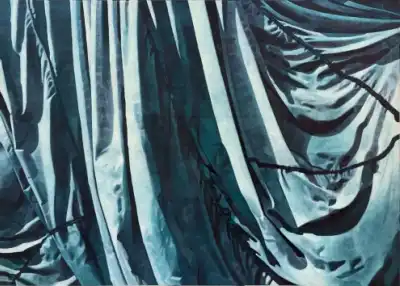
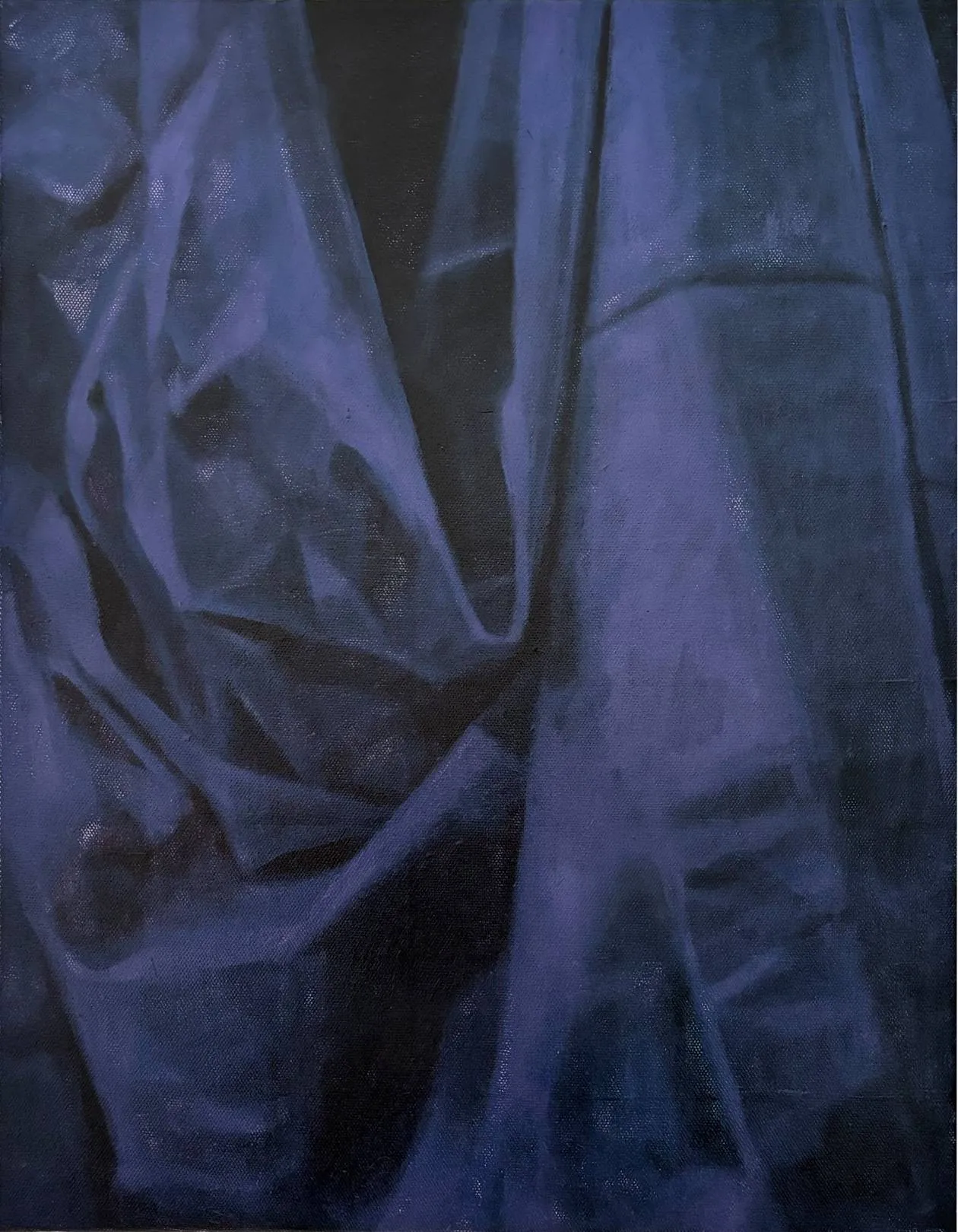
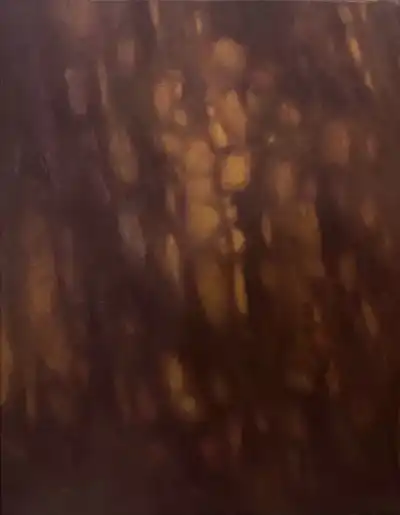
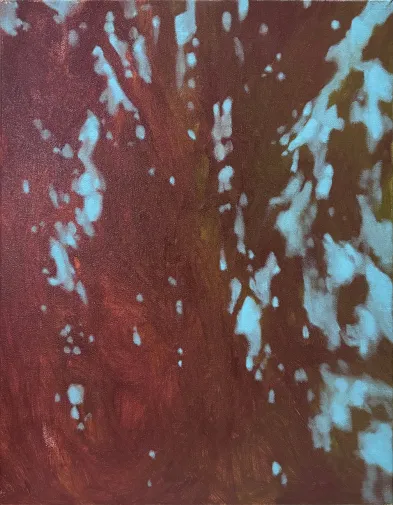
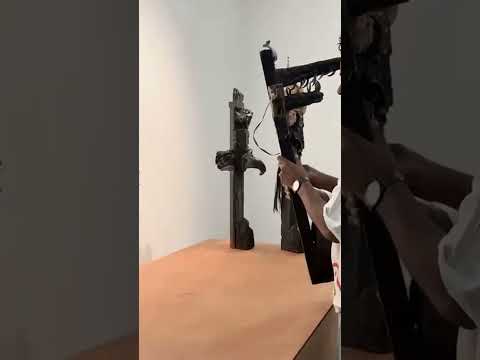
By creating a guide map to the spatial-textual interventions along with a selection of sculptural, painterly, and installation-based works by both artists, Post-Forensic Hangover foregrounds an immersion that unravels as one moves through the display. Meaning unfolds in the emptiness between one element and another. It is a show where one witnesses two distinct artists presenting their signature works, yet the exhibition ultimately synthesises into a singular whole; both artistic selves become one. In this manner, Post-Forensic Hangover further expands its conceptual premise as a looped construct: a generative form of recognition that leaks and overlaps from one practice to another. It presents a research inquiry (or investigation) altered and appropriated as a counter-algorithmic world and an experience fabricated from the extraction of a post-event. Largely, the exhibition brings together works that have emerged predominantly from specific sites, field trips, conversations, dialogues, and found materials, using speculation to form a nonsensical rationality. By bringing these site-specificities and their surrounding research into a gallery space, Post-Forensic Hangover poses two vital questions: Does the world outside this white cube still exist? Or does only the lingering affect of the event remain?